Haskell County Kansas | Origin of 1918 Influenza Outbreak
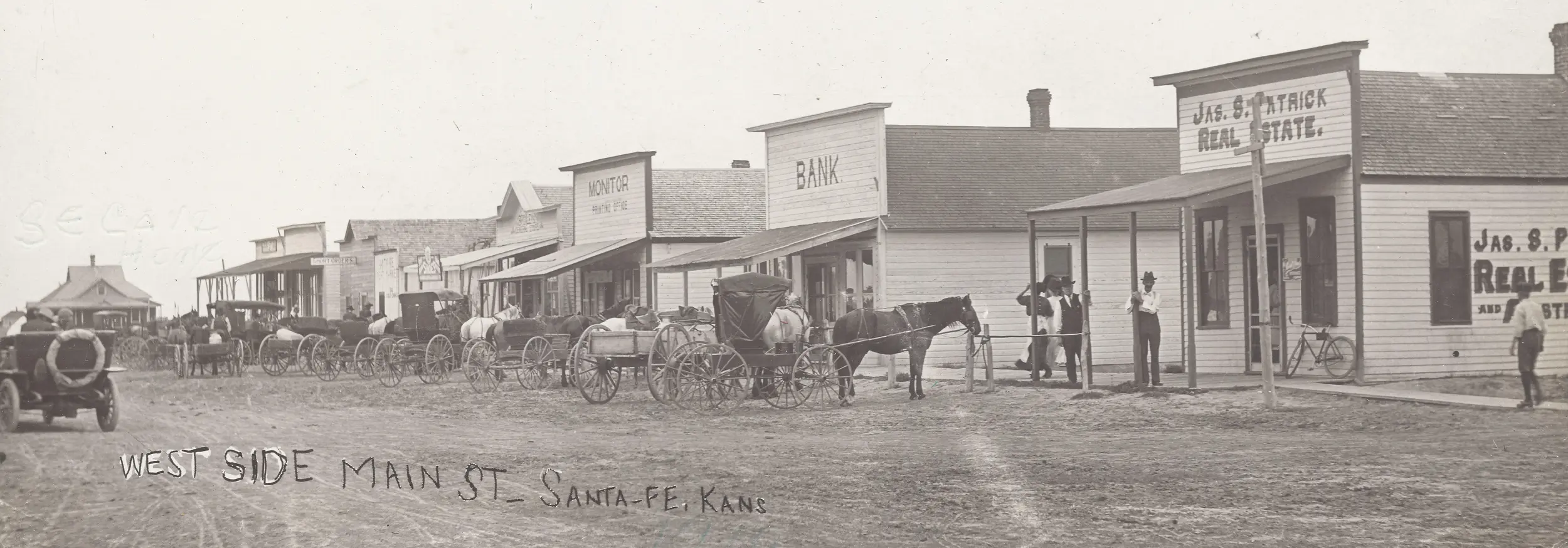
Haskell County, Kansas is a place of plowed up prairie, violent storms, and stunning sunsets. Scientists hypothesize this remote, isolated place is where the 1918 influenza outbreak began. This sparsely populated corner of southwest Kansas experienced a boom in the 1880s. Farmers and ranchers arrived eager to claim the 160 acres promised by the Homestead Act. Settlers raised cattle, hogs, and chickens. Thousands of migratory birds, including sandhill cranes, geese, and ducks, passed overhead on their way north. Today, scientists understand this confluence of animals can lead to deadly influenza strains, and while it is impossible to know with certainty the origin of influenza, a few facts make for a good story.
First Public Health Record of 1918 Influenza Pandemic
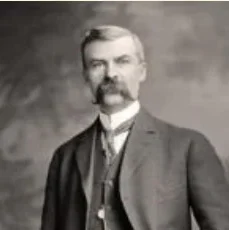
In January 1918, Dr. Loring Miner pondered the season’s influenza. Young men were unexpectedly dying. Boys their age were dying in the mud of the western front of the Great War, not on the plains of Kansas. Perplexed by unusual symptoms and rapid deaths, he took the unusual step to warn national public health officials, creating the first public record of the 1918 influenza pandemic.
From Haskell County Kansas Around the World
Miner had cause to worry. The United States had recently joined the Great War and soldiers left Haskell County to train at Camp Funston, near Fort Riley. The Sante Fe Monitor, Haskell County’s newspaper, reported in February, “Most everybody over the county is having lagrippe or pneumonia.” It also noted, “Dean Nilson surprised his friends by arriving at home from Camp Funston on a five-day furlough. Dean looks like soldier life agrees with him. Ernest Elliot left to visit his brother at Funston.” And on February 28, “John Bottom left for Funston. We predict John will make an ideal soldier.” Not only were the soldiers and their families going back and forth, so was the highly contagious influenza.
On March 4, the first soldier at Camp Funston reported ill with influenza. Within two weeks 1,100 required hospitalization, with thousands more sick in the barracks. Then, infected soldiers likely carried influenza from Funston to other army camps, sickening tens of thousands, before carrying the virus overseas to the war.
Whether or not the 1918 influenza outbreak began in Haskell County Kansas, the idea is intriguing for a novel: that patient zero lived in such as remote place and that this virulent virus most likely would have run its course—never become the pandemic that killed over 50 million people around the world—had it not coincided with the last year of the Great War.
To learn more, follow my fictional doctor—Lorne Miller—and his daughter Helen as they battle this influenza from its first patient in Haskell County Kansas to its worldwide climax.
Come along for the ride.
Join readers who receive my occasional e-postcards, delivered to your inbox with research and history that shaped the novel, event updates, and a peek into what I’m writing next.
By subscribing, you agree to receive emails from Dee Andrews. Unsubscribe anytime. See my Privacy Policy for details.
2 Comments