Socially Distant Life During the 1918 Flu Pandemic
Now that our world is living through the COVID-19 pandemic and practicing social distancing, it’s been interesting to see the similarities and differences to life during the 1918 flu pandemic.
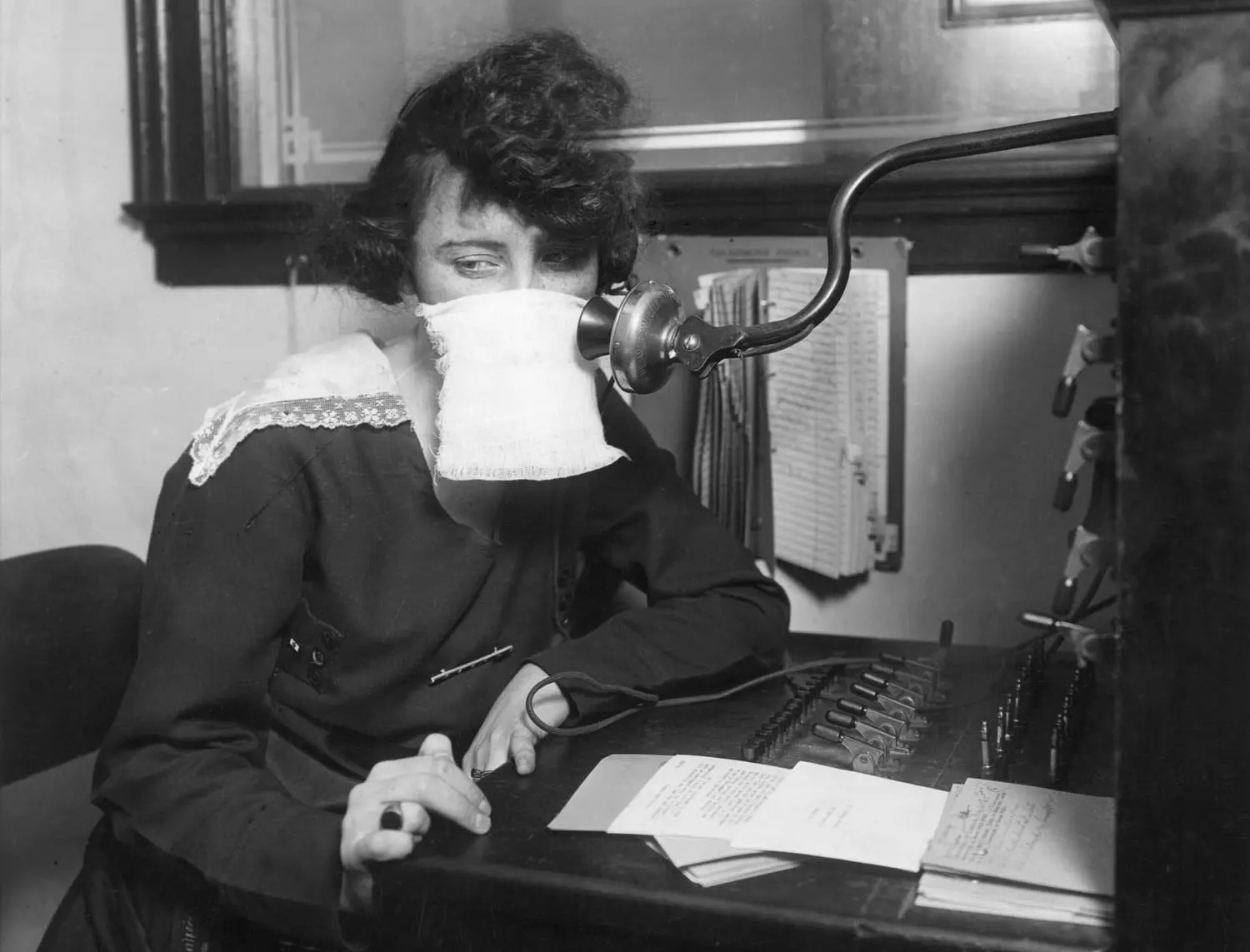
Telephone operators were as essential in 1918 as our cell phones and the internet are in 2020. (photo from Bettmann Archive)
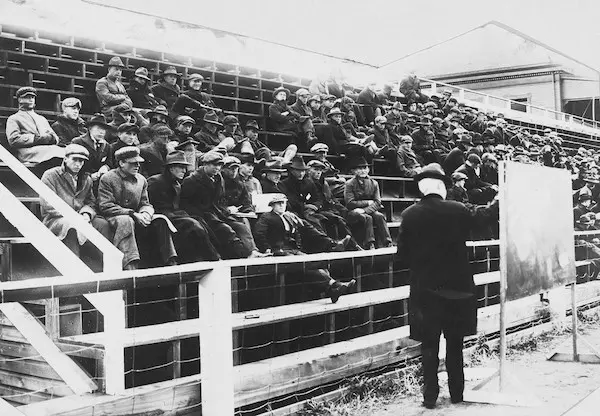
Universities were as concerned during the 1918 flu pandemic about students crowded into dormitories or lecture halls, increasing the likelihood of spreading the infection. The University of Montana was one of many who moved its classes outside. (photo from National Archives)
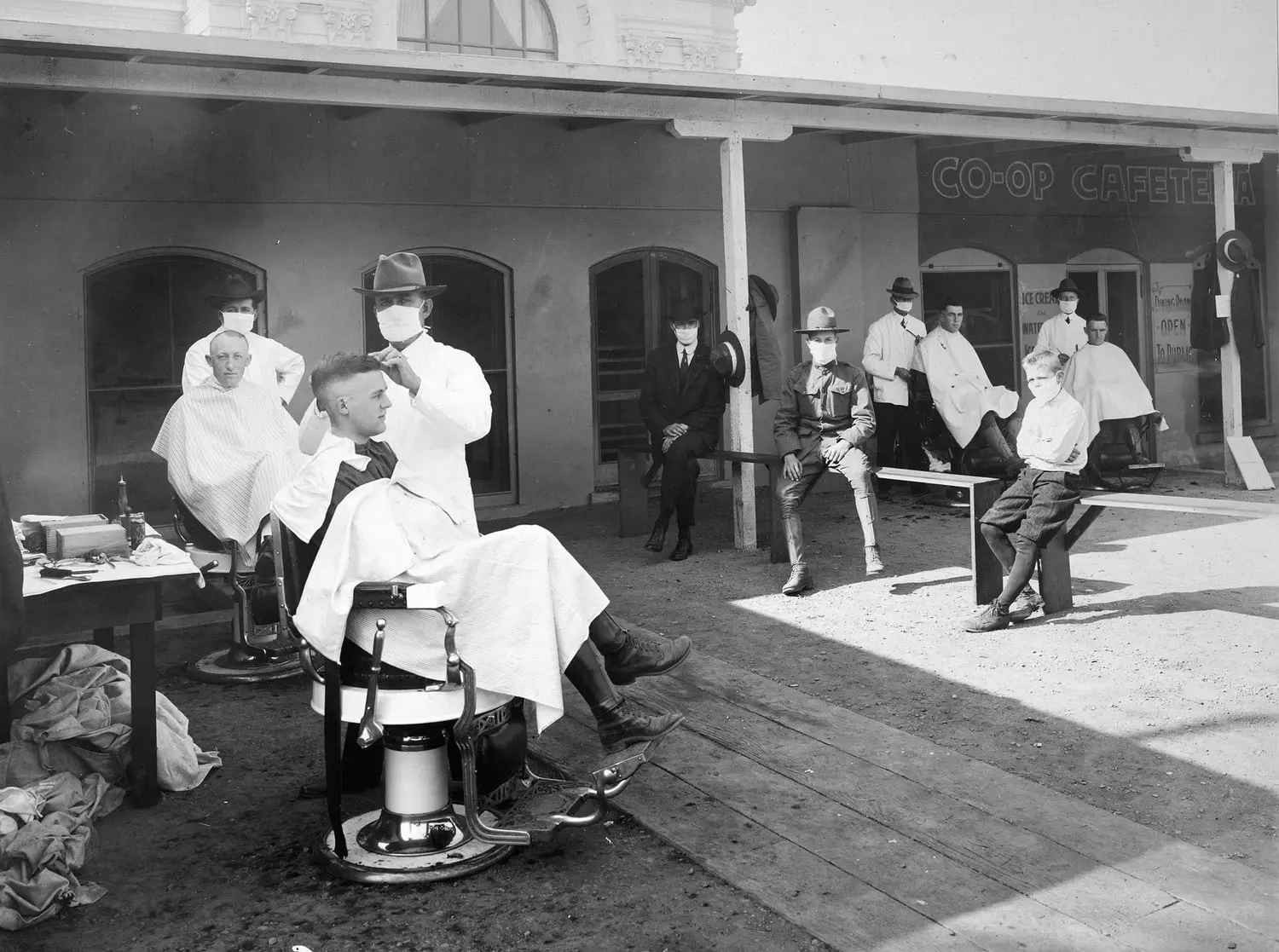
I know I’m in need of a haircut! During the 1918 flu pandemic, this barber shop at the University of California, Berkeley moved its chairs outdoors and appears to have encouraged social distancing and masks. (photo from National Archives)
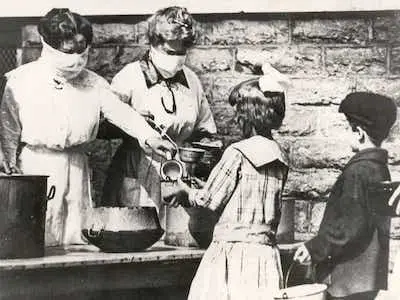
In both pandemics, many families struggle to buy food and pay rent. One of the unusual characteristics of the 1918 flu pandemic was that healthy adults between the ages of 20-40 were more likely to die, and many children were orphaned.
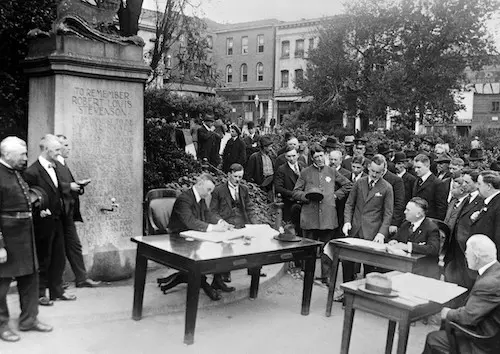
Public events were encouraged to be held outdoors to hinder the spread of the disease during the 1918 flu pandemic. Here in San Francisco, court is held outside. The irony of this maskless crowd, was that in many cities, citizens who did not wear masks or who were caught spitting could be fined or jailed. (photo from Bettmann Archive)
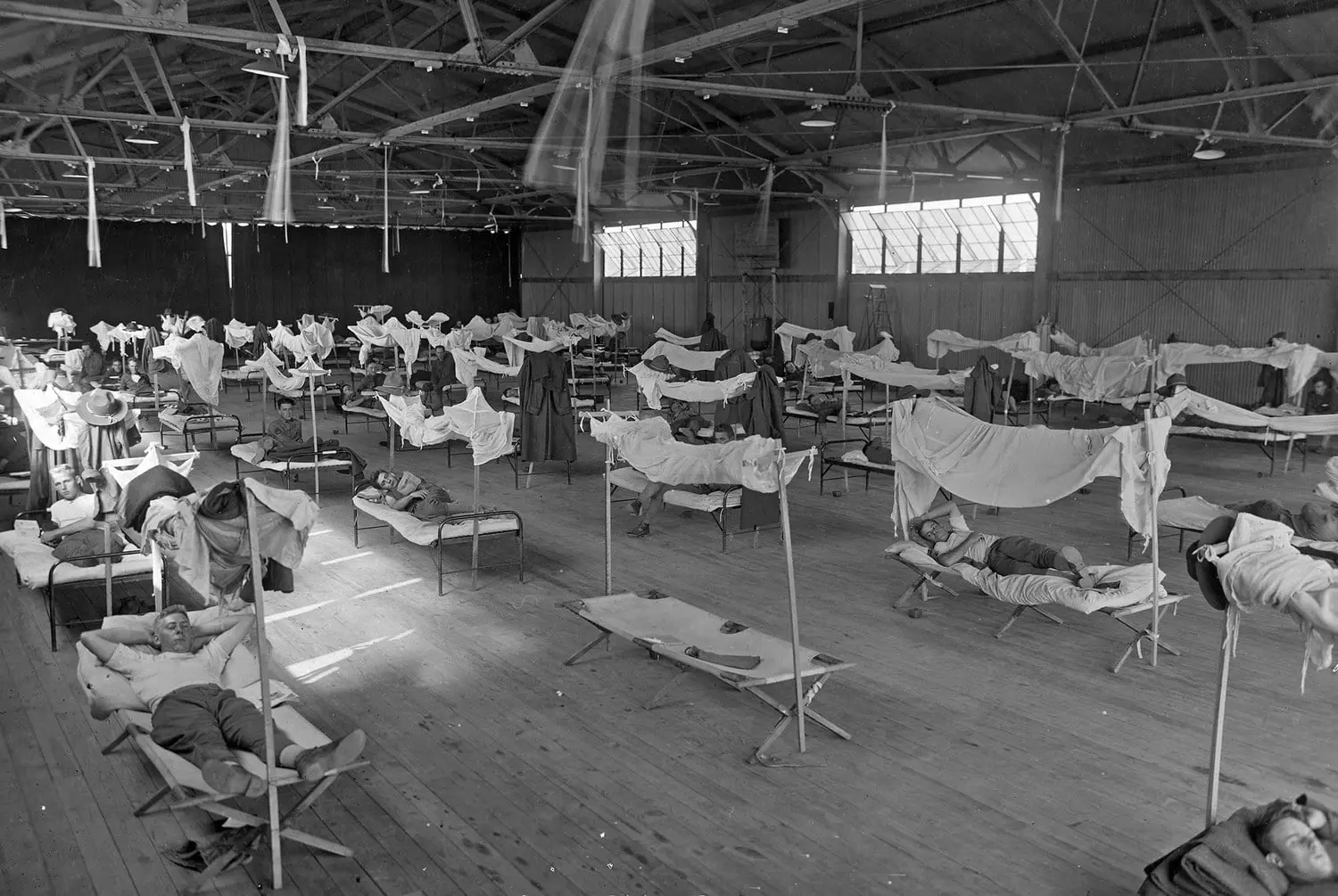
As during COVID-19, during the 1918 flu pandemic, recovering patients were moved to temporary convalescent wards to aid over-crowded hospitals.
I’d love to hear about your experiences with social distancing and life during the COVID-19 pandemic. Should we increase or decrease our vigilance as our first wave recedes? What do you think is the same or different from the 1918 flu pandemic?
Stroll along with me.
Join readers who receive my occasional e-postcards, delivered to your inbox with research and history that shaped the novel, publication and event updates, and a peek into what I’m writing next.
Glad you’re here.
Keep an eye on your inbox for the first postcard.
By subscribing, you agree to receive emails from Dee Andrews. Unsubscribe at any time. See my Privacy Policy more information.
4 Comments
Your posts and historic photos are fascinating!!! Thanks for all the info about the 1918 pandemic. I can’t wait to read the whole book.
Your posts and historic photos are fascinating!!! Thanks for all the info about the 1918 pandemic. I can’t wait to read the whole book.
Thanks for your support in all aspects of my book. I’ve always found the historic photos and newspaper articles interesting; happy to share them!